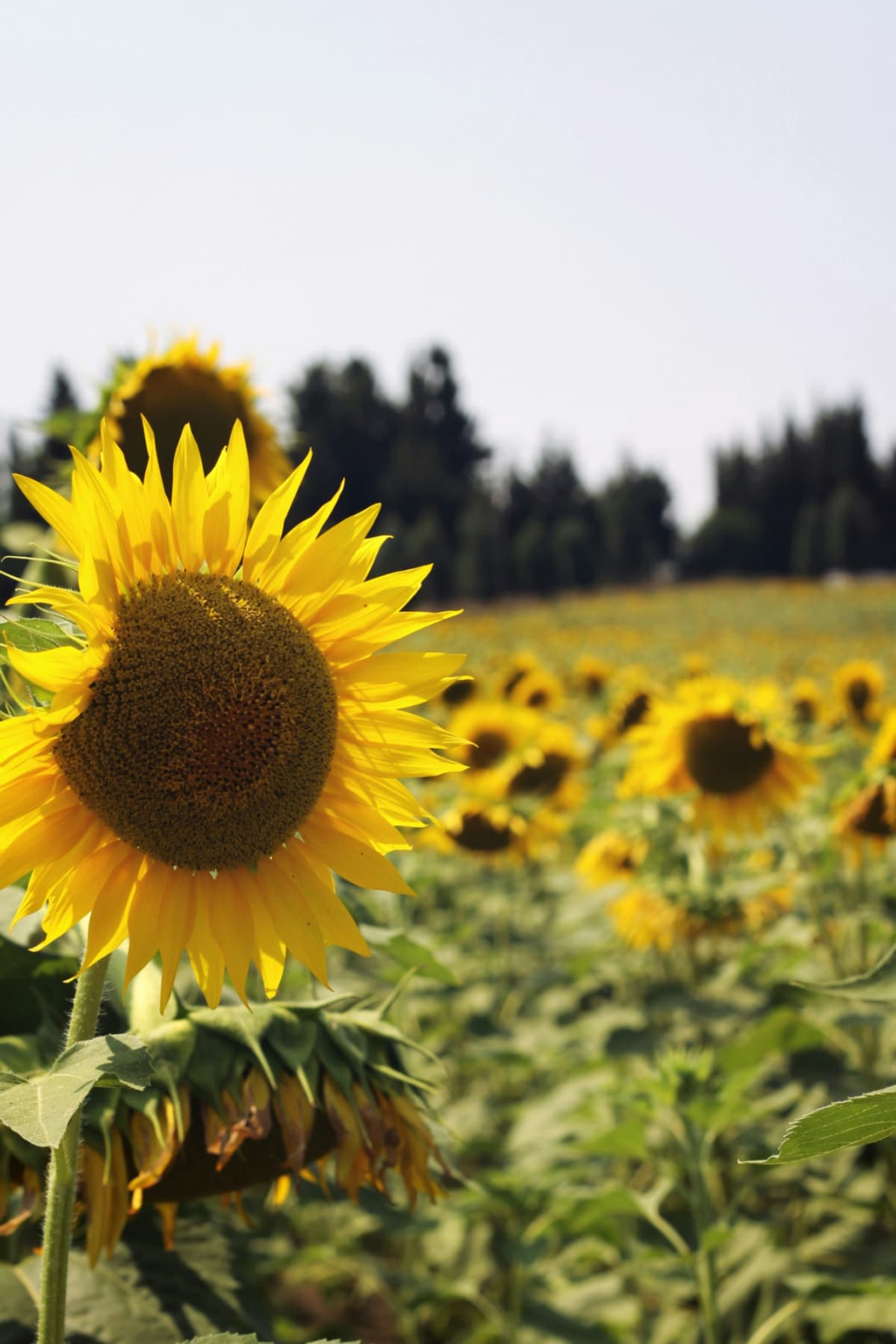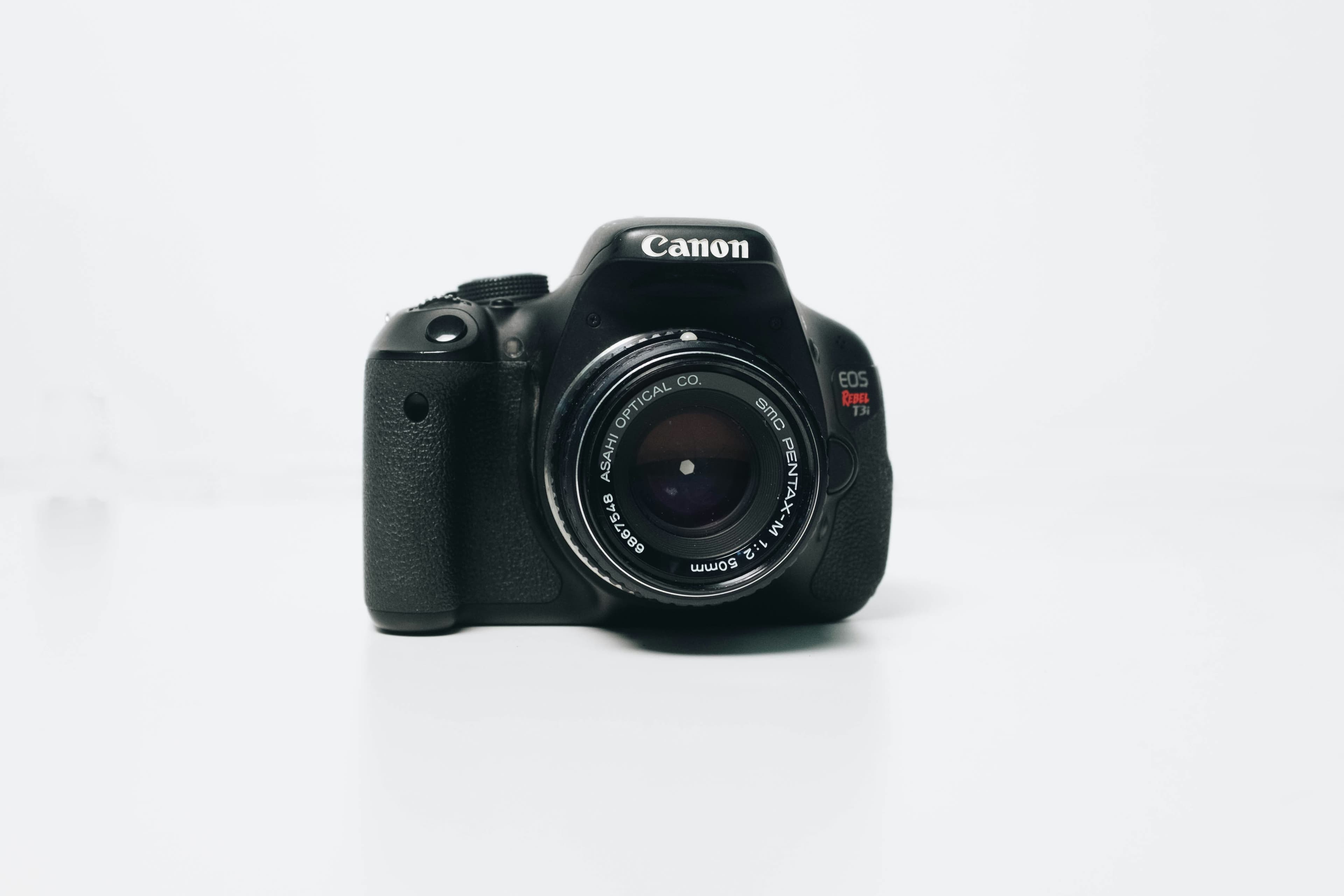

Golden hour photography represents one of the most magical moments in a photographer's day. This fleeting window of time, occurring shortly after sunrise or before sunset, bathes the world in warm, diffused light that can transform ordinary scenes into extraordinary images. Whether you are a beginner just picking up a camera or an experienced photographer looking to refine your skills, understanding and mastering golden hour photography can significantly elevate the quality of your work. In this comprehensive guide, we will explore every aspect of capturing stunning images during this precious time, from understanding the science behind the light to perfecting your camera settings and composition techniques.
Understanding Golden Hour: What It Is and Why It Matters
Golden hour refers to the period of daytime shortly after sunrise or before sunset when the sun is positioned between six degrees below and six degrees above the horizon. During this time, the sunlight travels through a greater thickness of the Earth's atmosphere, which scatters the shorter blue wavelengths and allows the longer red and orange wavelengths to dominate. This creates the characteristic warm, golden tones that give the golden hour its name.
The quality of light during golden hour is fundamentally different from midday light. Instead of harsh, contrasty shadows, you get soft, directional light that flatters both landscapes and portraits. The lower angle of the sun creates depth and dimension, emphasizing texture and form in a way that overhead light simply cannot achieve. This is why golden hour is cherished by photographers across all genres, from wedding photographers to landscape specialists.
- Warm color temperatures that enhance skin tones in portraits
- Soft, diffused light that reduces harsh shadows
- Natural backlighting opportunities that create depth and separation
- Enhanced texture visibility in landscapes and architectural photography
- Improved color saturation and vibrancy in natural scenes
- Romantic and atmospheric mood in images
Timing Your Golden Hour Sessions: Precision and Planning
The success of golden hour photography begins with accurate timing. Unlike a studio where you control all variables, golden hour is a moving target that changes daily based on your geographic location and the time of year. To make the most of this limited window, you need to know exactly when it begins and ends in your area.
Several tools can help you determine golden hour times. The Golden Hour app, available on both iOS and Android, provides precise sunrise and sunset times for your location. Photography websites like PhotoPills offer detailed planning tools that show not only golden hour times but also the direction of the sun and how light will interact with your chosen subject. The Time and Date website also provides comprehensive sunrise and sunset information for any location worldwide.
Plan to arrive at your location at least 30 minutes before golden hour begins. This gives you time to scout compositions, set up your equipment, and position yourself for the best shots. Many photographers make the mistake of arriving exactly when golden hour starts, only to waste precious minutes fumbling with camera settings or searching for the perfect angle. By arriving early, you can be ready to shoot the moment the light becomes ideal.
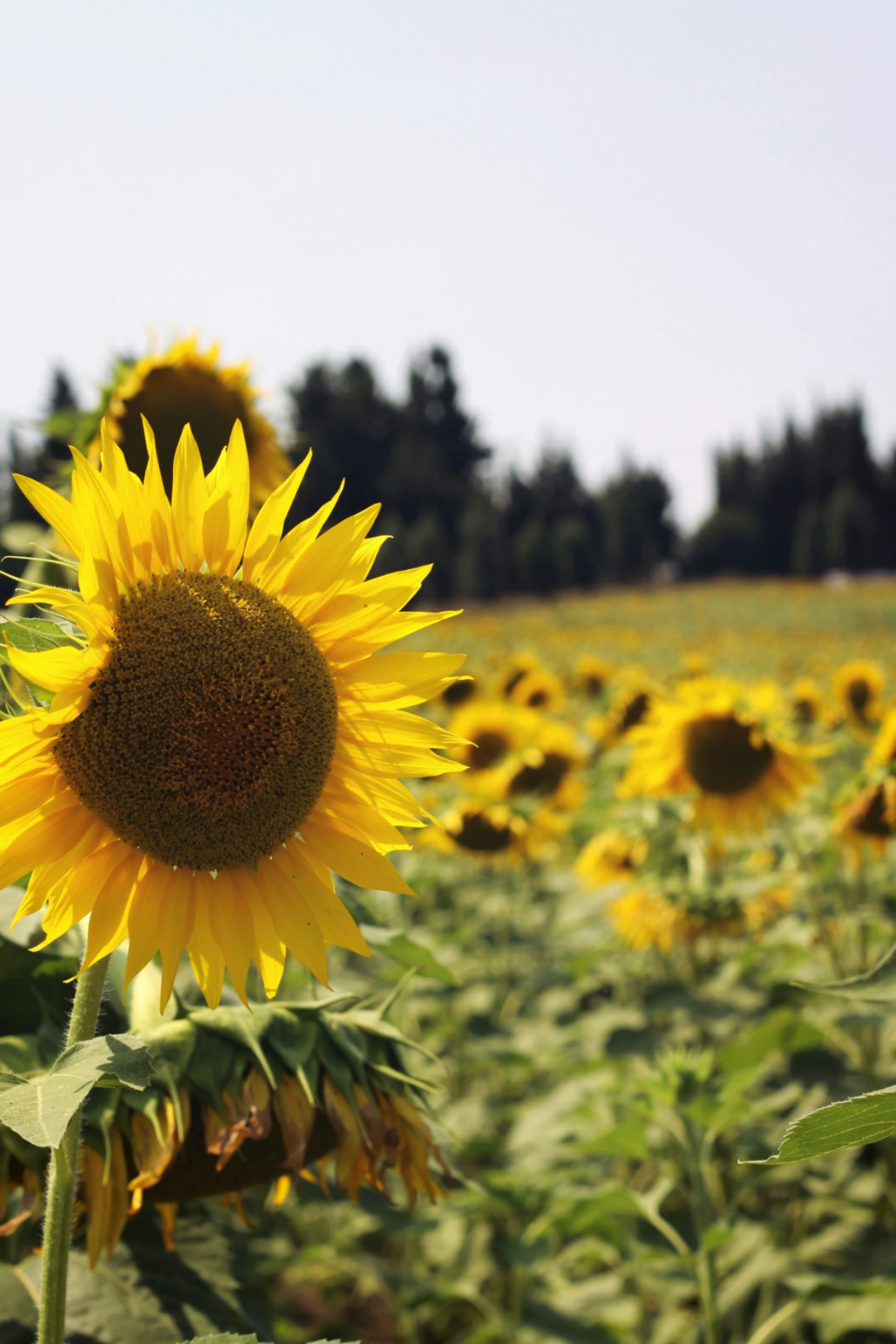
Essential Camera Settings for Golden Hour Success
While the light during golden hour is forgiving and beautiful, understanding how to adjust your camera settings ensures you capture the best possible images. The following settings form the foundation of effective golden hour photography.
Aperture and Depth of Field
Your aperture choice depends on your desired depth of field and subject matter. For portrait photography, a wide aperture between f/1.4 and f/2.8 creates a beautiful bokeh background that isolates your subject beautifully. For landscape photography where you want the entire scene in focus, apertures between f/8 and f/16 work well. The golden hour light is soft enough that you can use wider apertures even in bright conditions without overexposing your images.
Shutter Speed and Motion
Golden hour's soft light means you can often use slower shutter speeds while maintaining proper exposure. For static subjects, shutter speeds between 1/125 and 1/250 of a second are typically sufficient. However, if you are shooting moving subjects, such as people walking or wind-blown foliage, increase your shutter speed to at least 1/500 to ensure sharp focus. As the sun dips lower toward the horizon, you may need to increase your ISO or open your aperture wider to maintain proper exposure.
ISO Sensitivity
Start with the lowest ISO that allows proper exposure for your chosen aperture and shutter speed combination. During early or late golden hour, you might get away with ISO 100 or 200. However, as golden hour progresses and the light dims, you may need to increase to ISO 400, 800, or higher. Modern cameras handle high ISO remarkably well, so do not hesitate to increase it if it means capturing sharp, properly exposed images.
White Balance
This is where golden hour photography diverges from typical daytime shooting. Many photographers choose to slightly cool their white balance when shooting during golden hour to enhance the warm tones. Instead of using "Auto" white balance, try setting a custom white balance or selecting the "Daylight" preset, which is slightly cooler than the actual light temperature. This creates more pronounced warm tones in your images. Conversely, if you want the absolute warmest rendering, use a higher Kelvin temperature around 4500K to 5500K.
- Use aperture priority mode for flexibility in changing aperture while maintaining exposure
- Enable exposure bracketing if you are unsure about exposure in rapidly changing light
- Use back-button focus to maintain focus control, especially with moving subjects
- Enable high-speed continuous shooting to capture multiple frames
- Set your camera to RAW format for maximum post-processing flexibility
- Use autofocus area selection that matches your composition needs
Composition Techniques for Golden Hour Photography
The beautiful light of golden hour can make even average compositions look good. However, pairing that light with strong compositional principles creates truly exceptional images.
The Rule of Thirds
Position your main subject along the lines or intersections of the rule of thirds grid. During golden hour, place the sun or main light source along one of these lines rather than in the center of the frame. This creates more dynamic, interesting compositions that guide the viewer's eye naturally through the image.
Leading Lines and Paths
Golden hour light emphasizes texture and dimension, making leading lines even more effective. Look for natural paths, roads, rivers, or architectural elements that lead into your scene. The warm light will enhance these elements, drawing the viewer's attention deeper into your composition.
Foreground, Middle Ground, and Background
Use the three-dimensional space of golden hour photography to your advantage. Include an interesting foreground element, a compelling middle ground, and a defined background. The soft directional light of golden hour makes it easier to separate these layers, adding depth and dimension to your images.
Silhouettes and Backlighting
Golden hour offers exceptional opportunities for silhouettes and backlit images. Position your subject between the camera and the sun, exposing for the bright sky. This creates dramatic silhouettes with a glowing rim light that separates your subject from the background. For backlighting without full silhouettes, use fill flash or reflectors to illuminate your subject while maintaining the beautiful backlit highlights.

Portrait Photography During Golden Hour
Golden hour is arguably the most forgiving time for portrait photography. The warm light flatters skin tones, minimizes blemishes, and creates a naturally romantic mood that is difficult to achieve at any other time of day.
Position your subject so the golden light strikes them at a slight angle, creating dimension without harsh shadows. Side lighting during golden hour is particularly flattering, as it reveals facial features and creates beautiful rim lighting in hair. If the sun is directly behind your subject, use a reflector or fill flash to illuminate the face while maintaining the beautiful backlit highlights.
Communication with your portrait subjects is crucial during golden hour. Explain that you have a limited window of time as the light is changing constantly. This often helps subjects relax and be more natural, as they understand the urgency and temporary nature of the session. Take multiple shots rapidly rather than waiting for the perfect moment, as golden hour light is moving and changing constantly.
- Use a telephoto lens like 85mm or 135mm to create pleasing subject magnification and background compression
- Position yourself between the sun and your subject to control the quality of light on their face
- Watch for and utilize any natural elements that can provide shade or diffusion
- Communicate timing expectations clearly so subjects understand the limited window
- Bring a large reflector to bounce golden light back onto the subject's face
- Watch for catch lights in the eyes that show the direction and quality of light
Landscape Photography During Golden Hour
Landscape photography benefits enormously from golden hour light. The warm tones enhance foliage, water, and sky, while the low angle of the sun creates exaggerated shadows that add drama and dimension to terrain.
Scout your location beforehand if possible, or plan to spend time exploring during your session. Think about how the golden light will interact with different elements of the landscape. Water reflects golden light beautifully, so include lakes, rivers, or oceans if available. Clouds take on golden and orange hues, adding visual interest to the sky. Even mundane urban landscapes transform under golden hour light.
Use a polarizing filter to reduce glare and enhance color saturation, which complements the already rich tones of golden hour light. A graduated neutral density filter can help balance the bright sky with the darker foreground, ensuring proper exposure across the entire frame. These filters require careful positioning as the sun moves, but the improved results are worth the extra attention.
Golden hour is not just about the light itself, but about how that light transforms the world around us, revealing textures, colors, and dimensions that remain hidden the rest of the day.
Advanced Techniques and Creative Ideas
Once you have mastered the fundamentals of golden hour photography, experiment with these advanced techniques to further elevate your work.
Lens Flare and Artifacts
Instead of avoiding lens flare as a mistake, intentionally incorporate it into your images. Position the sun partially behind an object or at the edge of the frame to create artistic lens flare. Use older lenses with simpler coatings, as they often produce more dramatic flare than modern lenses. Experiment with different apertures to see how they affect flare patterns.
Multiple Exposures and Blending
Create images with extended dynamic range by taking multiple exposures at different settings, then blending them in post-processing. This allows you to maintain detail in both bright skies and darker foregrounds, creating balanced, visually compelling images.
Motion and Action
Golden hour is excellent for capturing movement. Photograph people running, dancing, or walking through the golden light. Use panning techniques to follow moving subjects while blurring the background. The soft light during golden hour is forgiving to action shots, creating beautiful motion blur without blown highlights.
Post-Processing Golden Hour Images
Golden hour images benefit from thoughtful post-processing that enhances rather than drastically alters the natural beauty of the light. When editing RAW files, preserve the warm tones by avoiding overly aggressive color corrections. Instead, focus on subtle adjustments to contrast, clarity, and saturation.
Use graduated filters in Lightroom to darken bright skies without affecting the rest of the image. Enhance local contrast using the Clarity slider to make textures pop, but avoid overdoing it, which can create an unnatural appearance. Fine-tune white balance and temperature sliders if needed, but remember that golden hour light is already warm, and your goal should be enhancement rather than transformation.
Common Mistakes to Avoid
- Waiting until golden hour starts to position yourself; arrive early to prepare thoroughly
- Ignoring weather forecasts that might block the sun and ruin golden hour light
- Using automatic white balance, which may neutralize the warm tones you are seeking
- Overexposing images trying to brighten shadows; golden hour light is forgiving but not limitless
- Focusing on the sun itself rather than your subject; properly expose for your subject
- Failing to use a lens hood, which reduces flare and improves contrast
- Rushing composition in the belief that you have unlimited time; golden hour is brief
Conclusion: Embracing Golden Hour Photography
Mastering golden hour photography requires understanding the science of light, precision in timing, proper camera technique, and strong compositional skills. Yet the rewards are exceptional images that possess a timeless quality and natural beauty that is difficult to achieve any other way. Start by shooting during golden hour in familiar locations, allowing yourself to experiment with different camera settings and compositions without the pressure of a paying client or important event.
As you develop your skills, you will begin to anticipate how golden hour light will interact with different subjects and environments. You will find yourself planning shoots around golden hour, scouting locations during daylight hours to visualize how the sunset or sunrise light will transform the scene. This intentionality, combined with technical competence, is what separates outstanding golden hour photography from ordinary images.
The golden hour is a gift that nature provides every single day. By mastering the techniques and principles outlined in this guide, you position yourself to capture that gift in stunning images that will resonate with viewers and preserve precious moments in their most beautiful light.